Deep Tissue Massage vs Swedish Massage : Which Is Better in 2026?
Deep Tissue Massage vs Swedish Massage: Which Is Better?
Your shoulders are tight, your back aches, and stress has been building for weeks. You want a massage—but which type? Deep tissue or Swedish? Both sound great, but the right choice depends on your needs. Let us break it down.
According to the World Health Organization, stress-related disorders are among the leading health concerns globally. The Mayo Clinic and Cleveland Clinic both recognize massage therapy as an effective treatment for stress, anxiety, and chronic pain. Whether you are exploring local spa options or comparing therapeutic massage techniques online, understanding the difference between these two approaches is essential for making the right choice.
Additional research from the National Center for Complementary and Integrative Health (NCCIH) and the American Massage Therapy Association (AMTA) confirms that both Swedish and deep tissue massage offer proven benefits for stress reduction, pain management, and overall wellness.
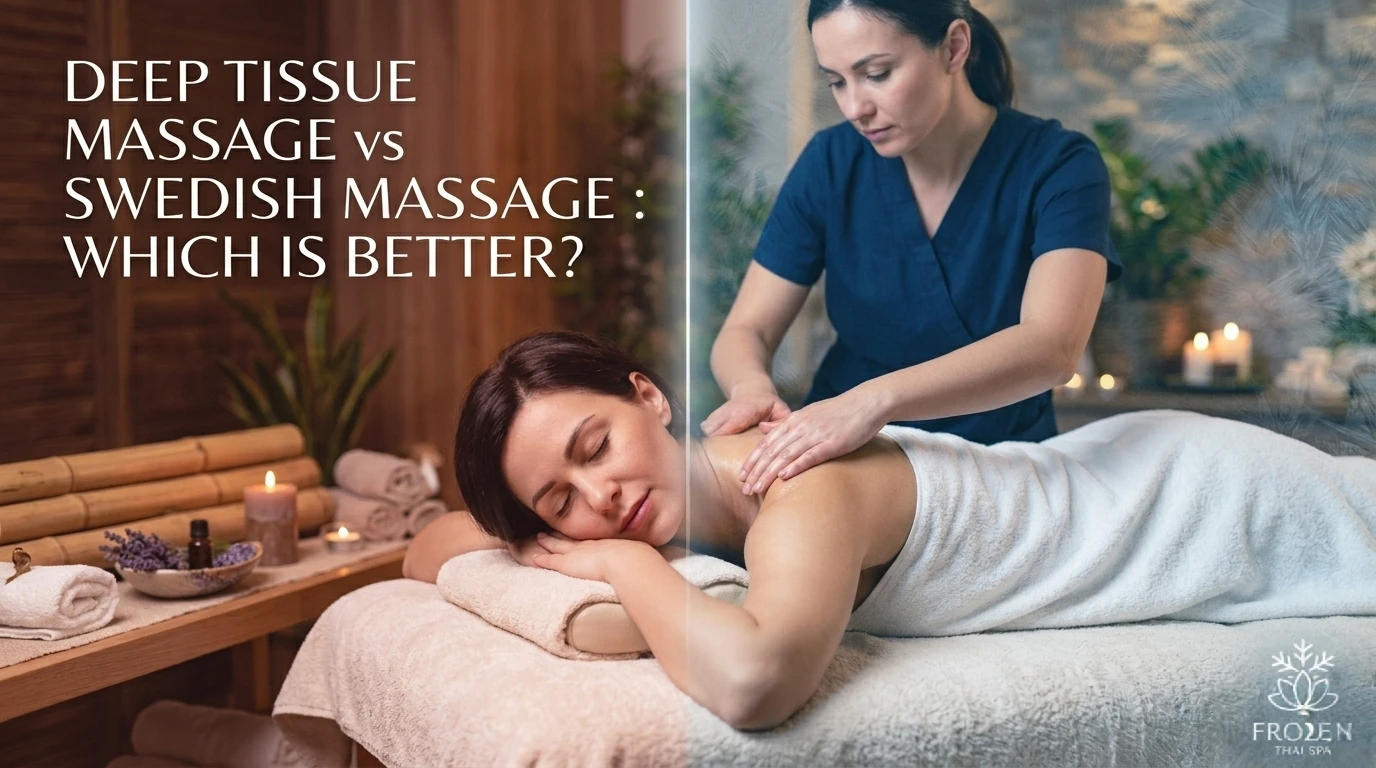
This is one of the most common dilemmas in the world of body massage. One promises deep relaxation and stress reduction, while the other targets stubborn knots and chronic pain. The truth is, neither is “better” than the other. The right choice depends entirely on your specific needs, pain tolerance, and wellness goals.
Key Takeaways
- Swedish massage uses light to medium pressure for relaxation, stress relief, and improved circulation.
- Deep tissue massage uses firm, focused pressure to target chronic pain, muscle knots, and injury recovery.
- Choose Swedish if you are new to massage, want gentle relaxation, or have mild muscle tension.
- Choose deep tissue if you have chronic pain, sports injuries, or stubborn muscle tightness.
- Both techniques are available at professional wellness centers across Dhaka including Gulshan, Banani, Uttara, and Mirpur.
Which Massage Is Better for Specific Conditions?
Still unsure which massage is right for you? Here is a quick condition-based guide:
- For back pain: Deep tissue massage is more effective for chronic or severe back pain. Swedish massage helps with mild back tension.
- For stress relief: Swedish massage is the clear winner. Its gentle strokes calm the nervous system.
- For sports recovery: Both help. Deep tissue targets deep muscle repair, while Swedish aids circulation and relaxation.
- For first-timers: Start with Swedish massage. It is gentle and helps you understand your comfort level.
- For chronic neck or shoulder tension: Deep tissue massage provides targeted relief for stubborn knots.
What We Have Observed Since 2019
Since launching Frozen Thai Spa in 2019, we have observed a clear pattern in customer preferences. First-time visitors almost always choose Swedish massage for its gentle, relaxing approach. However, returning customers—especially office workers and athletes—gradually shift toward deep tissue massage as they seek more targeted relief for chronic tension.
Across our 15+ locations in Gulshan, Banani, Uttara, Mirpur, Dhanmondi, Bashundhara, and Cox’s Bazar, we have seen that approximately 60% of new clients prefer Swedish massage, while 70% of regular clients eventually opt for deep tissue massage for ongoing pain management. With over 500 monthly appointments and 200+ professional therapists, our first-hand experience confirms that both techniques have their place in a complete wellness routine.
What Is Swedish Massage?
Swedish massage is known as the “classic” massage. It is the most popular form of massage therapy in the Western world. It is also an excellent choice for first-timers. Developed in the 19th century, this technique focuses on promoting overall relaxation, improving circulation, and easing mild muscle tension through gentle, flowing strokes. According to Healthline, Swedish massage is the perfect starting point for anyone new to massage therapy.
If you are looking for a calming, full-body experience that soothes both your muscles and your mind, Swedish massage is likely your best bet. It uses lighter to medium pressure and is designed to make you feel refreshed, rejuvenated, and deeply relaxed.
Techniques Used in Swedish Massage
A Swedish massage session typically incorporates five foundational strokes, each with a specific purpose:
- Effleurage: Long, gliding strokes that warm up the muscles and promote relaxation.
- Petrissage: Kneading and rolling movements that help release surface tension.
- Friction: Small, deep circular motions that stimulate circulation and ease knots.
- Tapotement: Rhythmic tapping or chopping motions to invigorate the muscles.
- Vibration: Light shaking or trembling motions to relax tight areas.
Therapists often use oils or lotions to allow smooth, continuous movements, creating a seamless and soothing experience. Verywell Health explains that these techniques work together to create a deeply relaxing experience.
Benefits of Swedish Massage
Swedish massage offers a wide range of benefits, particularly for stress management and overall well-being:
- Reduces stress and anxiety: Gentle strokes help calm the nervous system and lower cortisol levels.
- Improves circulation: Rhythmic movements encourage blood and lymphatic flow, enhancing oxygen delivery to tissues.
- Relieves mild muscle tension: Loosens tight muscles from daily activities like sitting or working out.
- Promotes better sleep: The relaxation response helps prepare the body for deep, restorative sleep.
- Enhances flexibility: Gentle stretching and kneading can improve joint mobility.
Swedish massage is ideal for anyone seeking a gentle, soothing experience without intense pressure or discomfort. Mayo Clinic recommends Swedish massage as an excellent option for stress management.
What Is Deep Tissue Massage?
Deep tissue massage is a therapeutic technique that targets the deeper layers of muscle and connective tissue (fascia). Unlike Swedish massage, which emphasizes relaxation, this approach uses firm, focused pressure to release chronic tension, treat injuries, and restore mobility. Medical News Today describes deep tissue massage as one of the most effective treatments for chronic muscle pain.
It is especially effective for athletes, individuals with physically demanding jobs, or anyone dealing with long-term muscle tightness or pain. Deep tissue massage is often more treatment-focused, addressing specific problem areas rather than providing a full-body calming experience.
Techniques Used in Deep Tissue Massage
Deep tissue massage employs slower, more deliberate strokes that penetrate deeply into the muscles and fascia:
- Stripping: Deep, gliding pressure applied along the length of muscle fibers using elbows, knuckles, or thumbs to release tightness.
- Friction (Cross-Fiber): Pressure applied across the muscle fibers to break down adhesions and scar tissue.
- Trigger Point Therapy: Precision pressure applied to specific tight spots (trigger points) to relieve pain in other parts of the body.
- Myofascial Release: Gentle, sustained pressure on connective tissue to alleviate pain and restore motion.
The pressure is much firmer and more concentrated, often pausing on a single area for an extended hold to release deep-seated tension. Healthline notes that while deep tissue massage can be intense, the results are often long-lasting.
Benefits of Deep Tissue Massage
Deep tissue massage offers profound therapeutic benefits, particularly for chronic pain and injury recovery:
- Relieves chronic pain: Effectively targets conditions like lower back pain, neck pain, and shoulder tension.
- Breaks down scar tissue: Helps break up adhesions that form after injuries, improving mobility.
- Supports recovery from sports injuries: Promotes faster healing by increasing blood flow to injured areas.
- Improves posture: Addresses muscular imbalances that contribute to poor posture.
- Reduces inflammation: Enhances circulation and lymphatic drainage to reduce swelling.
While it can cause mild soreness afterward, the benefits are often long-lasting and deeply therapeutic. Verywell Health recommends deep tissue massage for anyone dealing with chronic pain conditions.
Deep Tissue vs Swedish Massage: Key Differences
While both techniques offer valuable benefits, they differ significantly in pressure, technique, and purpose. Here is a quick comparison to help you understand the differences:
| Aspect | Swedish Massage | Deep Tissue Massage |
|---|---|---|
| Pressure | Light to moderate, gentle and soothing | Firm to intense, targeting deeper muscle layers |
| Primary Goal | Relaxation, stress relief, improved circulation | Release chronic tension, pain relief, injury recovery |
| Techniques | Long gliding strokes, kneading, circular motions | Slow, forceful pressure using fingers, fists, elbows |
| Areas of Focus | Full-body relaxation with extra time on problem spots | Full-body or specific areas like back, shoulders, or legs |
| Best For | Stress, light tension, mood, overall well-being | Athletes, injury recovery, chronic pain, deep tightness |
| After-Effects | Relaxed, refreshed, and rejuvenated | Possible mild soreness, deeper healing, long-term relief |
Expert Perspective
According to our observations from serving wellness clients across Dhaka since 2019, most first-time visitors choose Swedish massage for its gentle introduction to bodywork. However, we have noticed that clients who book regular sessions eventually explore deep tissue massage as their bodies become more accustomed to treatment.
Mr Frozen, Wellness Brand Owner at Frozen Thai Spa, shares: “In our experience, office workers with desk jobs often start with Swedish massage for stress relief. But after a few sessions, they realize they need deeper work on their neck and shoulders. That is when they transition to deep tissue massage. The key is listening to your body and communicating openly with your therapist.”
Mr Frozen has personally trained over 200 therapists and conducted wellness workshops across Dhaka, Cox’s Bazar, and beyond.
Signs You Have Found a Trusted Wellness Spa
With the growing number of wellness centers in Dhaka, it is important to know what sets a trusted spa apart. Here are the key signs:
- Licensed therapists: Certified professionals with verifiable credentials
- Transparent pricing: Clear rates with no hidden charges
- Clean facilities: Hygienic environment with proper sanitation
- Verified reviews: Genuine customer feedback on Google and social media
- Clear service descriptions: Detailed explanations of each massage type including Swedish and deep tissue
Choosing a spa that meets these criteria ensures a safe, professional, and effective experience every time.
What Our Clients Say
⭐ Rasheda, Gulshan:
“I was confused between Swedish and deep tissue. The therapist explained everything and recommended Swedish for my first session. I felt amazing afterward!”
⭐ Kamal, Banani:
“Deep tissue massage changed my life. My chronic back pain is finally under control after just a few sessions.”
Which Massage Is Right for You?
Choosing between Swedish and deep tissue massage comes down to your goals and how your body feels right now. Mayo Clinic suggests that understanding your specific needs is the first step in choosing the right massage.
Choose Swedish Massage If:
- You are new to massage and want a gentler starting point.
- Your main goal is relaxation, stress relief, or better sleep.
- You have general muscle tension rather than one stubborn problem area.
- You are sensitive to firmer pressure.
- You want a full-body treatment that feels soothing and restorative.
Swedish massage is also a popular option for those recovering from minor injuries or managing chronic pain conditions like fibromyalgia in a gentle way.
Choose Deep Tissue Massage If:
- You are dealing with chronic pain or tension, especially in the neck, shoulders, or back.
- You are recovering from a sports injury or repetitive strain.
- You need targeted relief for specific problem areas.
- You are accustomed to firmer pressure and do not mind temporary soreness.
- Light to medium pressure does not feel enough for your body.
If you have chronic back pain or stiffness that has not responded to lighter treatments, deep tissue massage may be the more effective option. Verywell Health provides a detailed comparison to help you make the right choice.
What to Expect During Your First Massage Session
If you are new to massage therapy, here is a quick overview of what typically happens:
- Consultation: The therapist will ask about your health history, pain points, and preferences.
- Privacy: You will be given private space to undress to your comfort level. Towels or draping will always be provided.
- Technique: Depending on your choice—Swedish, deep tissue, or other—the therapist will use appropriate strokes and pressure.
- Duration: Sessions typically last 60 to 90 minutes.
- Aftercare: Drink plenty of water and rest. Avoid strenuous activity for a few hours.
This structured approach ensures a safe, comfortable, and effective experience for every first-time visitor.
Finding the Best Massage in Dhaka
Dhaka is home to a growing number of high-quality spas and wellness centers offering both Swedish and deep tissue massages. For those seeking an authentic and professional body massage experience, options are plentiful. Top-rated establishments provide skilled therapists and calming ambiances that offer an ideal escape from the city’s hustle and bustle.
Whether you are looking for a gentle relaxation massage or targeted pain relief therapy, professional wellness centers offer services tailored to your needs. Experienced therapists can guide you toward the right treatment based on your specific concerns.
For those in Gulshan, the premium massage services in Gulshan offer convenient access to premium wellness. Similarly, residents of Banani can explore relaxation spa in Banani for a rejuvenating experience. Other popular locations include therapeutic massage in Uttara, Spa In Bashundhara, Spa In Mirpur, and Spa In Dhanmondi.
If you are looking for a Thai Spa Dhaka that combines traditional techniques with modern comfort, Frozen Thai Spa is an excellent choice.
Frequently Asked Questions (FAQ)
Is deep tissue massage painful?
It can feel intense but should not be painful. Tell your therapist if pressure is too much. Mild soreness for 1-2 days is normal as muscles heal.
Which massage is better for stress relief?
Swedish massage is generally better for relaxation and stress relief. Its gentle strokes calm the nervous system and lower cortisol levels.
Can I get a deep tissue massage if I am pregnant?
Deep tissue massage is not recommended during pregnancy. Gentler options like Swedish or prenatal massage are safer. Always inform your therapist if you are pregnant.
How often should I get a massage?
For stress management, Swedish massage once or twice a month may be sufficient. For chronic pain, deep tissue massage may be recommended weekly or bi-weekly.
Which is better for back pain: Swedish or deep tissue?
Both can help, but deep tissue massage is often recommended for chronic or severe back pain.
Is Swedish massage good for athletes?
Yes. Swedish massage promotes circulation, reduces muscle soreness, and aids in relaxation during recovery phases.
Can deep tissue massage help with sciatica?
Yes. Deep tissue massage can relieve sciatica symptoms by releasing tension in the lower back, glutes, and hamstrings.
What should I wear for a massage?
Wear comfortable, loose-fitting clothing. You will undress to your comfort level during the session. Towels or draping ensure privacy.
How long does a typical massage session last?
Most sessions last 60 to 90 minutes. Some spas offer 30-minute express sessions for targeted relief.
Which massage is most popular in Dhaka?
Both Swedish and deep tissue are highly popular. Swedish is preferred by first-timers, while deep tissue is favored by office workers and athletes.
Can I combine Swedish and deep tissue in one session?
Yes. Many therapists offer combination massages. They start with Swedish for relaxation, then apply deeper pressure to specific areas.
Making the Right Choice for Your Body
Both deep tissue massage and Swedish massage offer real benefits. The right choice depends on what your body needs at the time. If you want to relax, reset, and ease general tension, Swedish massage is usually the better fit. If you are dealing with ongoing tightness, stubborn knots, or a specific area that needs more focused work, deep tissue massage may give you the relief that lighter pressure cannot.
Remember, your needs can change over time. You might prefer deep tissue massage during periods of heavy training or physical strain, then switch to Swedish massage when your focus shifts to rest and recovery. Both styles have their place, and choosing between them does not have to be permanent.
Ready to experience the benefits of professional body massage? Book your session at a trusted wellness center in Gulshan today and let expert therapists help you choose the perfect treatment for your body.
Whether you need stress relief or targeted pain management, the perfect massage awaits you in Dhaka. Visit a trusted wellness center in Dhaka for a professional and refreshing experience.
About the Author

Mr Frozen is a Wellness Brand Owner & Researcher with over 5 years of experience in the spa and wellness industry. Since 2019, he has been involved in researching wellness trends, customer behavior, massage therapy benefits, and spa service development across Dhaka and Bangladesh. Through hands-on industry experience and insights gathered from thousands of customer interactions, he regularly writes about relaxation massage, aromatherapy, wellness tourism, stress management, and modern spa culture.
Mr Frozen has personally trained over 200 therapists and conducted wellness workshops across Dhaka, Cox’s Bazar, and beyond.
Connect with Mr Frozen on LinkedIn.