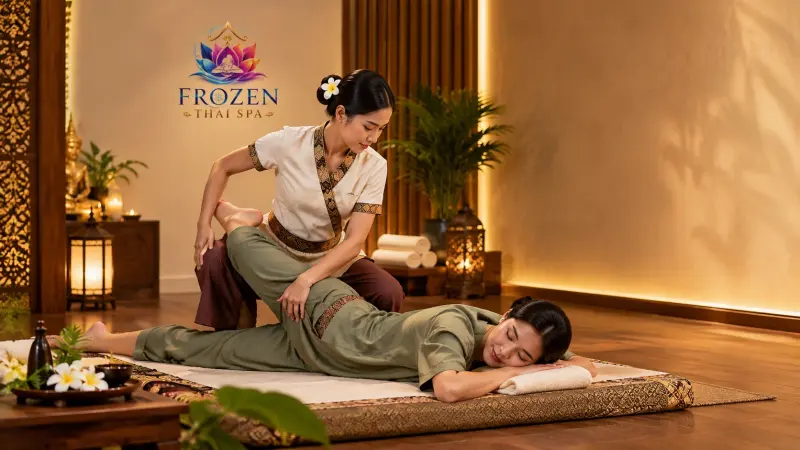
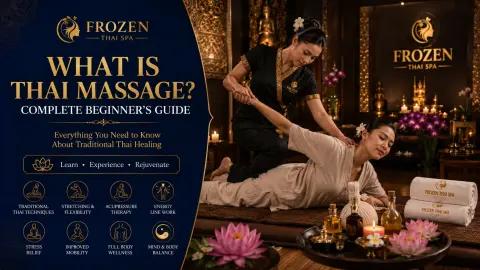
Thai massage is an active, clothed bodywork therapy that combines assisted stretching, acupressure, and compression along energy pathways. Unlike Swedish massage, there are no oils involved and you lie on a floor mat rather than a massage table. Your therapist uses their hands, thumbs, elbows, knees, and feet to guide your body through yoga like stretches and apply pressure to specific points. The result sits somewhere between a deep stretch, a yoga session, and a massage often described as “lazy yoga” because the therapist does most of the work while you focus on breathing and letting go.
If you have ever left a standard massage wishing someone had actually stretched your hamstrings instead of just rubbing them, Thai massage is exactly what your body has been waiting for. Unlike the passive experience of lying still on a table, Thai massage requires your active participation through breathing and relaxation while the therapist moves your body into positions that feel like a full-body yoga session except you do not have to do any of the work.
At Frozen Thai Spa, we bring this ancient healing tradition to the heart of Dhaka. Whether you are an athlete recovering from training, an office worker battling chronic stiffness, or simply someone who wants to feel more flexible and energised, Thai massage offers benefits that go far beyond relaxation.
Thai massage known in Thai as Nuad Thai is a traditional form of manual therapy that utilises pressure, compression, and rubbing to boost blood circulation, reduce muscular soreness, and ease aches and pains. It has been practised for over 2,500 years and is recognised by UNESCO as an Intangible Cultural Heritage.
A typical session runs 60 to 120 minutes and covers the whole body from feet to head. You remain fully clothed in loose-fitting attire throughout. The therapist works on a padded mat on the floor, using their body weight to apply pressure and guide you through stretches.
Unlike Western massage techniques that focus primarily on muscle tissue, Thai massage takes a holistic approach it aims to balance the body’s energy, improve flexibility, and restore overall wellness.
History and Origins – A 2,500 Year Old Healing Tradition
The Father of Thai Massage
The origins of Thai massage trace back to Jivaka Komarabhacca, the royal physician to King Bimbisara and later the personal physician of the Buddha himself. He studied medicine in the ancient city of Takkasila (modern day Taxila in Pakistan) and was known for treating his patients with dignity, compassion, and fairness.
Thai massage evolved from a blend of Indian Ayurvedic wisdom, yoga postures, and Chinese and indigenous Thai healing principles. It was brought to Thailand along with the spread of Buddhism, traditions, and culture from the Indian subcontinent.
Historical Evidence
The earliest historical evidence referencing Thai massage is found in the Sukhothai-era stone inscription of King Ramkhamhaeng. During the Ayutthaya period (1351-1767), French envoy La Loubere documented Thai massage practices, noting that “when someone falls ill, treatment begins by stretching the body”.
Later, during the Rattanakosin period, King Rama I ordered the restoration of Wat Pho in Bangkok and commissioned the compilation of Thai massage manuals. Statues of hermit yoga poses (ruesi dat ton) were created, and massage inscriptions were engraved on stone tablets – many of which remain accessible at Wat Pho to this day. Wat Pho remains Thailand’s premier centre for traditional Thai massage education.
UNESCO Recognition
In 2019, Nuad Thai was inscribed on UNESCO’s Representative List of the Intangible Cultural Heritage of Humanity. This recognition cemented Thai massage’s status as a living tradition with profound cultural and historical significance.
The Philosophy Behind Thai Massage
Sen Energy Lines
Central to Thai massage theory is the concept of Sen lines – the traditional name for the energy pathways believed to flow through the body. These are similar in concept to meridians in Chinese medicine. Thai massage practitioners work on ten primary Sen lines that correspond to different regions and functions of the body.
By applying pressure along these lines and combining it with stretching, therapists aim to release blockages and restore the free flow of energy through the body. This is why Thai massage often feels deeply restorative it is not just working on muscles but on the body’s entire energy system.
The Role of Metta (Loving Kindness)
Traditional Thai massage is practised in the spirit of Metta a Pali term for loving kindness. Practitioners approach each session with genuine care for the person they are working with, treating them as a whole person rather than a collection of muscles. This philosophical grounding gives traditional Thai massage a quality that people often describe as distinctly different from clinical treatment.
Buddhist and Ayurvedic Influences
Thai massage has strong spiritual components based on Buddhism. The goal is to move internal energy throughout the organs and body systems to achieve wellness. The practice draws on Ayurvedic and traditional Chinese medicine principles, with influence from Buddhist philosophy that has shaped its practice over centuries.
Thai Massage Techniques – What Actually Happens During a Session
1. Passive Assisted Stretching
The most distinctive part of Thai massage is assisted stretching. Your therapist guides your body through movements that extend the range of motion in your joints and lengthen muscles along their full length. This includes:
Hip rotations that release the hip flexors and glutes
Spinal twists that decompress the vertebrae
Hamstring and quad stretches
Shoulder openers
Back extensions
Because the stretches are held and supported rather than performed alone, the body releases further than it typically would in solo stretching. Your hamstrings, as the saying goes, have been waiting for someone to actually help them out.
2. Acupressure Along Sen Lines
Thai massage involves deep compressions and acupressure that are equally – if not more – important than the passive stretching. The therapist uses their hands, thumbs, elbows, forearms, and feet to apply pressure along the Sen energy lines. A standardised 90-minute Thai massage protocol typically includes 25 distinct steps: 20 pressing steps, 2 artery occlusion steps, and 3 stretching steps.
3. Compression and Rocking
Therapists use rhythmic compression techniques – pressing down on muscles and energy points with their palms, thumbs, or feet – combined with gentle rocking motions that soothe the nervous system and prepare the body for deeper stretches.
4. Joint Mobilisation
Thai massage includes techniques to mobilise joints throughout the body, improving their range of motion and reducing stiffness. This is particularly beneficial for the spine, shoulders, hips, and neck.
5. Breath Work
Breath work is integrated throughout the session. The therapist’s movements are often synchronised with your breathing, creating a flowing, meditative experience reminiscent of tai chi.
Scientific Health Benefits of Thai Massage
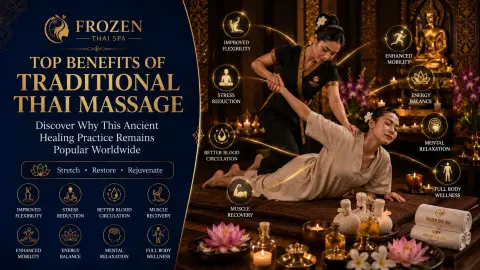
1. Increased Flexibility and Range of Motion
The flexibility benefit is the most immediately noticeable thing about Thai massage. Research shows that Thai massage aids in increasing flexibility and range of motion by improving blood flow and oxygen supply to muscles.
A single session can produce a noticeable shift in how freely the body moves, particularly for people who carry chronic stiffness in the hips and thoracic spine from prolonged sitting. Regular sessions compound this effect.
Research on office workers and older adults consistently shows noticeable gains in flexibility after just a handful of sessions. A 2024 comparative study on youth football players found that traditional Thai massage produced comparable improvements in range of motion to sports massage.
2. Back and Neck Pain Relief
Back and neck pain are among the most common reasons people book Thai massage. The evidence for its effectiveness here is reasonably strong.
Thai massage addresses back pain through several mechanisms simultaneously:
Spinal mobilisation techniques decompress the vertebrae and reduce stiffness
Hip opening stretches release the hip flexors and glutes – often the actual source of lower back tension in people who sit for extended periods
Shoulder and thoracic spine work addresses upper back and neck tension from desk posture
A 2015 study published in Complementary Therapies in Clinical Practice found that Thai massage was as effective as Swedish massage for chronic non-specific low back pain. A 2020 randomised controlled trial published in PubMed found that traditional Thai massage combined with stretching produced greater improvements in pain intensity, back flexibility, and disability scores than self-care education alone.
For neck pain specifically, the suboccipital release techniques used in Thai massage target the muscles at the base of the skull responsible for a significant proportion of tension headaches and chronic neck stiffness.
3. Stress Reduction and Mental Well-being
Thai massage has significant stress-relief benefits. A 2017 randomised crossover trial found that while Swedish massage produces a larger effect in relaxation and improved sleep, Thai massage results in a larger effect in energising, rejuvenating and mentally stimulating effects.
Research has shown that Thai massage can:
Lower cortisol levels (the stress hormone)
Increase heart rate variability (a marker of parasympathetic nervous system activation and relaxation)
Alleviate psychological stress through parasympathetic activity
Enhance physical, emotional and mental wellbeing through improved sleep and relaxation
4. Improved Circulation and Cardiovascular Health
Thai massage stimulates blood flow and improves circulation throughout the body. A 2026 study published in ScienceDirect found that traditional Thai massage may acutely enhance cerebrovascular reactivity and promote autonomic relaxation in individuals with subacute to chronic ischaemic stroke.
Thai foot massage has been shown to increase renal blood flow and alleviate psychological stress in community-dwelling older adults.
5. Muscle Fatigue Recovery
Research demonstrates that Thai massage is effective for maximising recovery from muscle fatigue. A single-blind randomised controlled trial found that traditional Thai massage significantly improved recovery from gastrocnemius (calf) muscle fatigue after exercise.
6. Pain Reduction for Various Conditions
Thai massage has demonstrated effectiveness for:
Chronic tension-type headaches
Myofascial trigger points in wrist extensor muscles – improving pressure pain threshold, pain intensity, and wrist flexion
Chronic pain generally, as confirmed by systematic reviews
Upper back pain associated with myofascial trigger points
7. Improved Balance and Postural Stability
Thai massage may enhance proprioceptive feedback – the body’s ability to sense joint position and movement. Through targeted pressure and stretching, it can improve gait parameters, balance, and flexibility, particularly in older adults.
An exploratory study on children with overweight and obesity found that Thai massage showed a potential trend toward stabilising postural control, suggesting a protective effect on balance performance.
8. Aids Digestion
Thai massage may aid in digestion. The combination of abdominal compressions, stretching, and activation of the parasympathetic nervous system can improve gastrointestinal motility and reduce bloating and constipation. Many clients report feeling lighter and less sluggish after a session.
9. Boosts Energy and Vitality
Unlike deep tissue massage which can leave you feeling drowsy, Thai massage is often energising. By stimulating the Sen energy lines and improving blood flow, it can leave you feeling rejuvenated and alert rather than sleepy. This makes it an excellent choice for a midday wellness break.
10. Enhances Athletic Performance
Athletes have embraced Thai massage for its ability to improve flexibility, reduce recovery time, and prevent injuries. Research on youth football players confirms its effectiveness in maintaining range of motion. Thai spa massage is increasingly used as a pre-event and post-event therapy in professional sports.
Who Should Try Thai Massage?
Thai massage is suitable for a wide range of people. Here is who benefits most:
Athletes and Active Individuals: For improved flexibility, faster recovery, and injury prevention
Office Workers: To counteract the effects of prolonged sitting – hip tightness, lower back pain, and forward head posture
People with Chronic Pain: Including lower back pain, neck pain, and tension headaches
Anyone Stressed or Anxious: The combination of pressure and stretching calms the nervous system
Older Adults: For improved balance, flexibility, and joint mobility
Yoga Practitioners: Thai massage deepens stretches and complements yoga practice
Anyone Seeking an Energising Alternative: Unlike relaxing massages that may leave you sleepy, Thai massage rejuvenates
Contraindications – Who Should Avoid Thai Massage?
While Thai massage is generally safe, there are some situations where caution is needed:
Recent surgery or fractures: Avoid until fully healed
Severe osteoporosis: The stretching may be too intense
Pregnancy: Especially in the first trimester – always consult a doctor first
Skin infections or open wounds: On areas to be treated
Deep vein thrombosis: Pressure could dislodge a clot
Uncontrolled high blood pressure: Certain positions may affect blood pressure
Recent injuries or acute inflammation: Wait for swelling to subside
Always inform your therapist about any medical conditions or concerns before your session.
What to Expect During a Thai Massage Session at Frozen Thai Spa
Arrival and Consultation: You will be greeted and asked about your health history, areas of tension, and wellness goals. This helps your therapist tailor the session.
Changing into Comfortable Clothing: You will be provided with loose, comfortable attire or asked to wear your own. You remain fully clothed throughout the session.
Floor Mat Positioning: The session takes place on a padded mat on the floor. This allows the therapist to use their body weight effectively for stretching and pressure.
Beginning with Pressure: The therapist starts with rhythmic acupressure along your Sen lines, working from your feet upward.
Progressive Stretching: Your therapist will guide your body through a series of assisted stretches – moving your legs, arms, hips, and spine into positions that release tension.
Breath Synchronisation: You will be encouraged to breathe deeply and relax into each stretch. The therapist often times movements to your breath.
Closing with Gentle Rocking: The session typically ends with soothing rocking motions to calm the nervous system.
Post-Session Hydration: You will be offered water to support your body’s elimination of toxins released during the session.
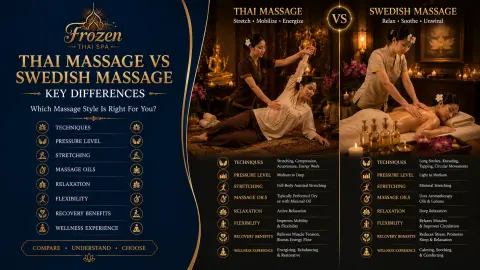
Comparison Chart – Thai Massage vs Other Massage Types
Feature
Thai Massage
Swedish Massage
Deep Tissue Massage
Clothing
Fully clothed, loose attire
Undressed (draped with towel)
Undressed (draped with towel)
Oils / Lotions
None
Yes
Yes
Stretching
Extensive assisted stretching
Minimal
Minimal
Surface
Floor mat
Massage table
Massage table
Energy Work
Acupressure on Sen lines
No
No
Best For
Flexibility, energy, pain relief
Relaxation, stress relief
Chronic muscle tension
Price Start (30 min)
5,500 BDT
5,500 BDT
6,000 BDT
Pricing and Packages at Frozen Thai Spa
Based on Frozen Thai Spa standards, here is the complete price list for Thai massage and related services:
Service Type
30 Minutes
45 Minutes
60 Minutes
Thai Massage
5,500 BDT
6,500 BDT
7,500 BDT
Foot Reflexology
5,500 BDT
6,500 BDT
7,500 BDT
Dry Massage
5,500 – 10,500 BDT
Oil Massage
6,000 – 11,000 BDT
Aromatherapy Massage
7,000 – 13,000 BDT
Hot Stone Therapy
8,000 – 15,000 BDT
Four Hand Massage
10,000 – 20,000 BDT
Six Hand Therapy
15,000 – 33,000 BDT
Couple Spa Packages
6,000 – 15,000 BDT
Note: Prices are based on Frozen Thai Spa standards and may vary slightly based on therapist availability and seasonal promotions.
FAQs About Thai Massage Benefits
1. What are the main benefits of Thai massage?
Thai massage benefits include increased flexibility, pain relief (especially back and neck), stress reduction, improved circulation, faster muscle recovery, better balance, and increased energy.
2. Is Thai massage painful?
Thai massage should not be painful. You may feel intense stretching sensations, but your therapist will adjust pressure to your comfort level. Always communicate if something feels too intense.
3. Why do I feel sore after Thai massage?
Mild soreness can occur as your muscles and fascia release tension, similar to post-workout soreness. This typically resolves within 24-48 hours. Staying hydrated helps.
4. How often should I get Thai massage?
For general wellness and maintenance, once a month is sufficient. For chronic pain, athletic performance, or intense stress, weekly sessions may be more beneficial.
5. What should I wear for Thai massage?
Loose, comfortable clothing such as yoga pants, leggings, or joggers. Avoid jeans or restrictive clothing. You will remain fully dressed throughout the session.
6. Is Thai massage suitable for beginners?
Absolutely. Therapists adjust the intensity to suit each individual. Always inform your therapist if you are new to Thai massage so they can guide you gently.
7. Can Thai massage help with sciatica?
Yes. Thai massage includes hip opening stretches and pressure along the glutes and hamstrings that can relieve sciatic nerve tension and reduce pain.
8. Is Thai massage safe during pregnancy?
It depends. Avoid in the first trimester. In later stages, consult your doctor first and always inform your therapist if you are pregnant. Modified techniques can be used.
9. How long is a typical Thai massage session?
Standard sessions range from 60 to 120 minutes. The length depends on your needs and preferences.
10. What makes Frozen Thai Spa the best choice for Thai massage in Dhaka?
We combine authentic Thai techniques, certified therapists, a clean and peaceful environment, premium organic products, and transparent pricing. Our 95% client return rate speaks for itself.
Final Thoughts
Thai massage is far more than a luxury – it is a powerful therapeutic tool that can transform your physical and mental well-being. From the yoga-like stretches that unlock tight hips and hamstrings to the acupressure that balances your body’s energy, every session leaves you feeling longer, looser, and more alive.
Whether you are an athlete looking to recover faster, an office worker battling chronic back pain, or simply someone who wants to experience one of the world’s most ancient healing traditions, Thai massage offers benefits that are both immediate and lasting.
At Frozen Thai Spa, we have been bringing authentic Thai massage to Dhaka since 2019. Our therapists are certified and trained in traditional techniques that honour the 2,500-year-old legacy of this remarkable therapy.
Your body deserves the gift of flexibility, relief, and renewed energy. Book your Thai massage session today.
Book Your Thai Massage Session Today:01611808281 WhatsApp:+8801611808281 Locations: Gulshan, Banani, Uttara, Dhanmondi, Mirpur, Bashundhara, Cox’s Bazar Website:frozenthaispa.com
About the Author
Mr Frozen is a Wellness Brand Owner and Researcher with over 5 years of experience in the spa and wellness industry. Since 2019, he has been researching wellness trends, customer behaviour, massage therapy benefits, and spa service development across Dhaka and Bangladesh. Through hands-on industry experience and insights gathered from thousands of customer interactions, he regularly writes about relaxation massage, aromatherapy, wellness tourism, stress management, and modern spa culture.
Mr Frozen has personally trained over 200 therapists and conducted wellness workshops across Dhaka, Cox’s Bazar, and beyond.
Table of Contents Toggle Best Spa in Gulshan : Sound Therapy in Spas – Healing Through Music and Vibration Key Takeaways What We Have Observed Since 2019 Expert Perspective Why Sound Therapy Matters in Modern Spas Popular Massage Techniques Combined with Sound Therapy 1. Swedish Massage 2. Thai Massage 3. Aromatherapy Massage 4. Hot Stone…
Table of Contents Toggle Nuru Massage: Complete Guide to Benefits, Techniques & What to Expect Key Takeaways What We Have Observed Since 2019 Expert Perspective What is Nuru Massage? Origins and History What is Nuru Massage Gel? How is a Nuru Massage Performed? Benefits of Nuru Massage Deep Relaxation and Stress Relief Improved Circulation and…
Table of Contents Toggle Best Massage Near Me in Dhaka – Your Complete First-Timer’s Guide Key Takeaways What We Have Observed Since 2019 Why Searching for the “Best Massage Near Me” Matters Which Massage Is Best for Your Needs? What Is Thai Massage? Understanding the Ancient Art Key Techniques Used in Thai Massage: Thai Massage…
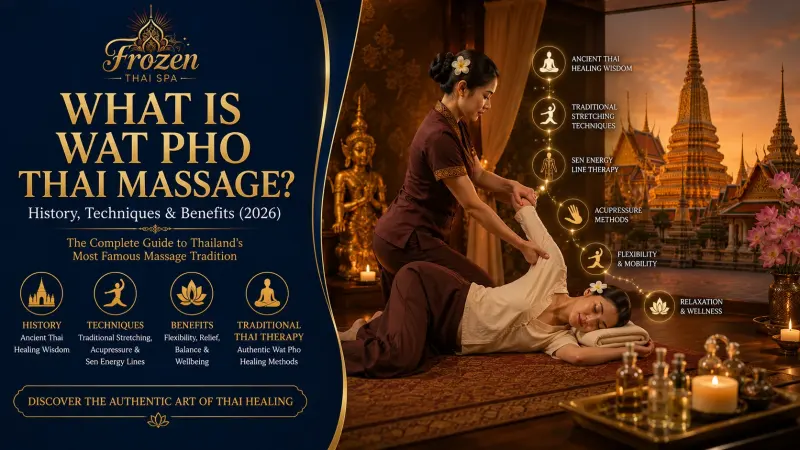
Table of Contents Toggle What is Wat Pho Thai Massage? History, Techniques & Benefits (2026) Key Takeaways What We Have Observed Since 2019 Expert Perspective The 2,500-Year History of Wat Pho Thai Massage Origins in Ancient India The Royal Decree of King Rama III The First Massage School (1955) What Makes Wat Pho Thai Massage…
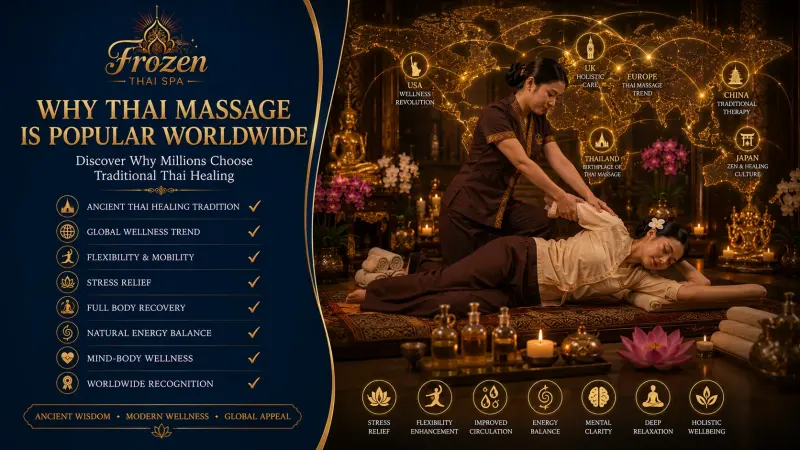
Table of Contents Toggle Why Thai Massage Is Popular Worldwide Key Takeaways What We Have Observed Since 2019 Expert Perspective 1. UNESCO Recognition: A Global Stamp of Approval 2. Proven Health Benefits Backed by Science Pain Relief Improved Flexibility Stress and Anxiety Reduction Enhanced Energy Muscle Recovery 3. Wellness Tourism and Economic Impact 4. Government…
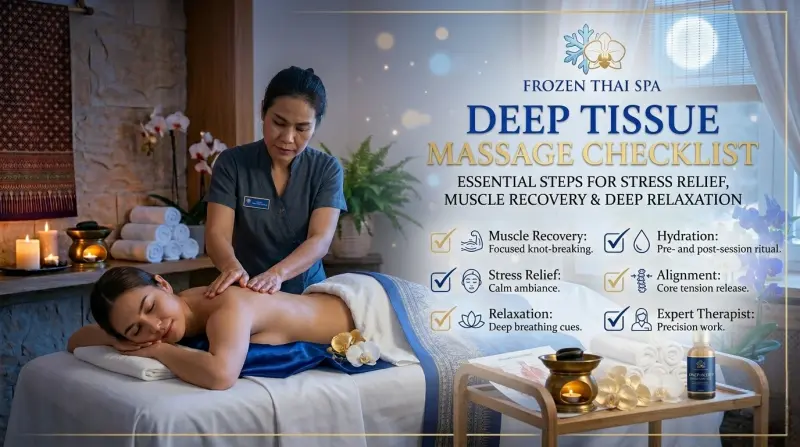
Table of Contents Toggle Deep Tissue Massage – A Complete Checklist for Stress Relief and Relaxation Key Takeaways What We Have Observed Since 2019 Expert Perspective The Science Behind Deep Tissue Massage Checklist Guide to Massage Types for Stress Relief 1. Swedish Massage 2. Thai Massage 3. Aromatherapy Massage 4. Hot Stone Massage 5. Trigger…






One Comment